Blog
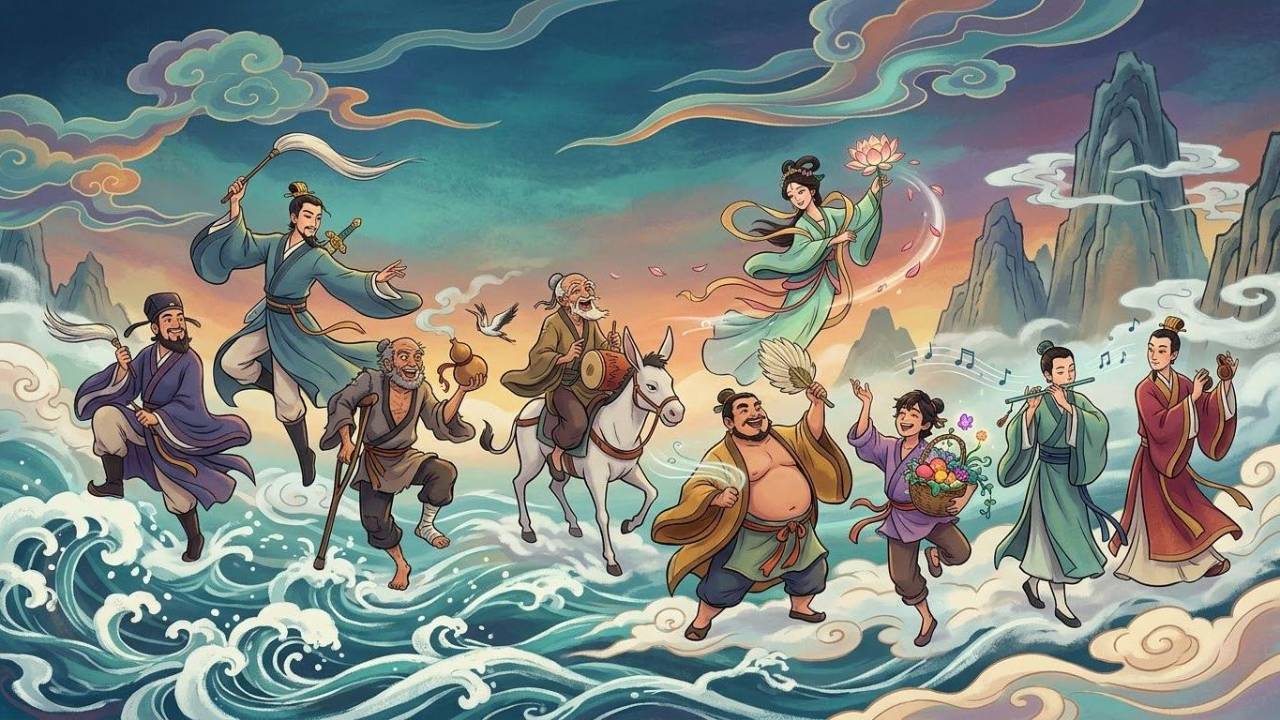
The Eight Immortals are a group of legendary figures in Taoist lore, some of which we know to have been actual, historical people. They were not originally a banded group however. It appears they belonged to different timelines (the ones we know actually existed, at least) long before anyone grouped...
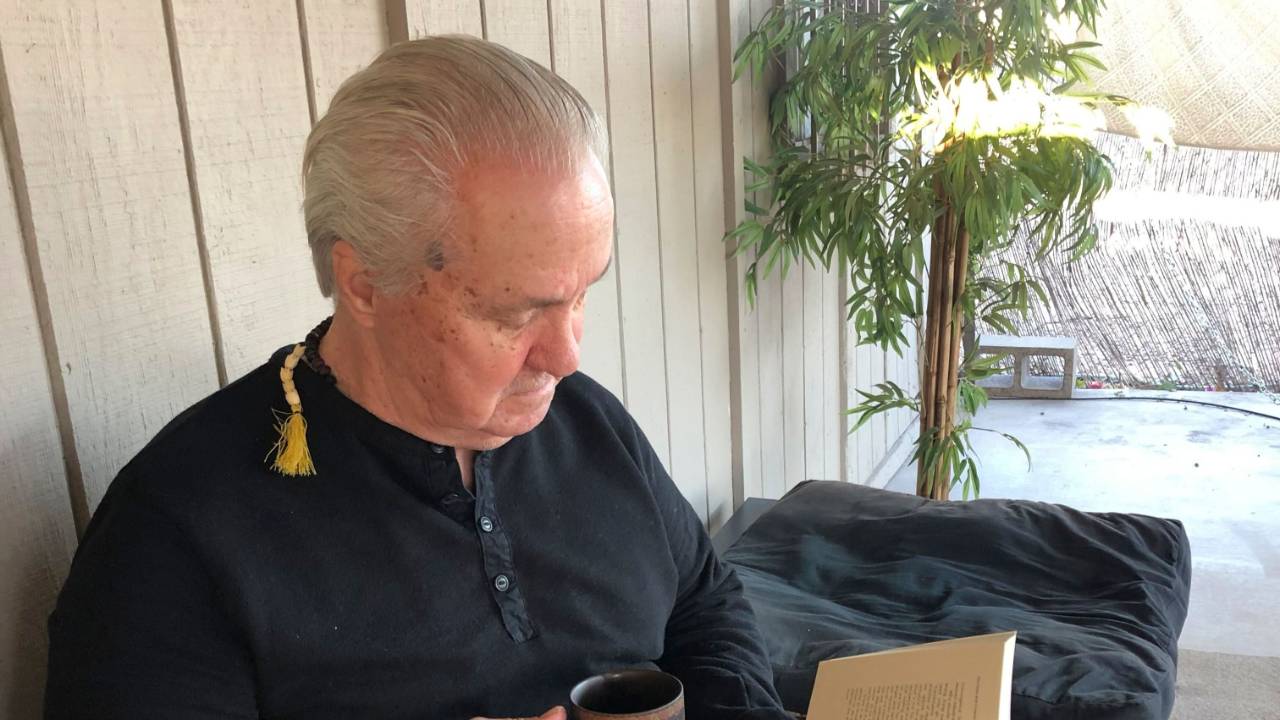
The longtime protégé of Master T.T. Liang, Stuart Alve Olson (1950–2025) was a renowned teacher, translator, co-founder of the Sanctuary of Tao, and author of more than forty books on Taoist philosophy, health, meditation, and the martial and internal arts. He was born on September 22, 1950, in Moor...
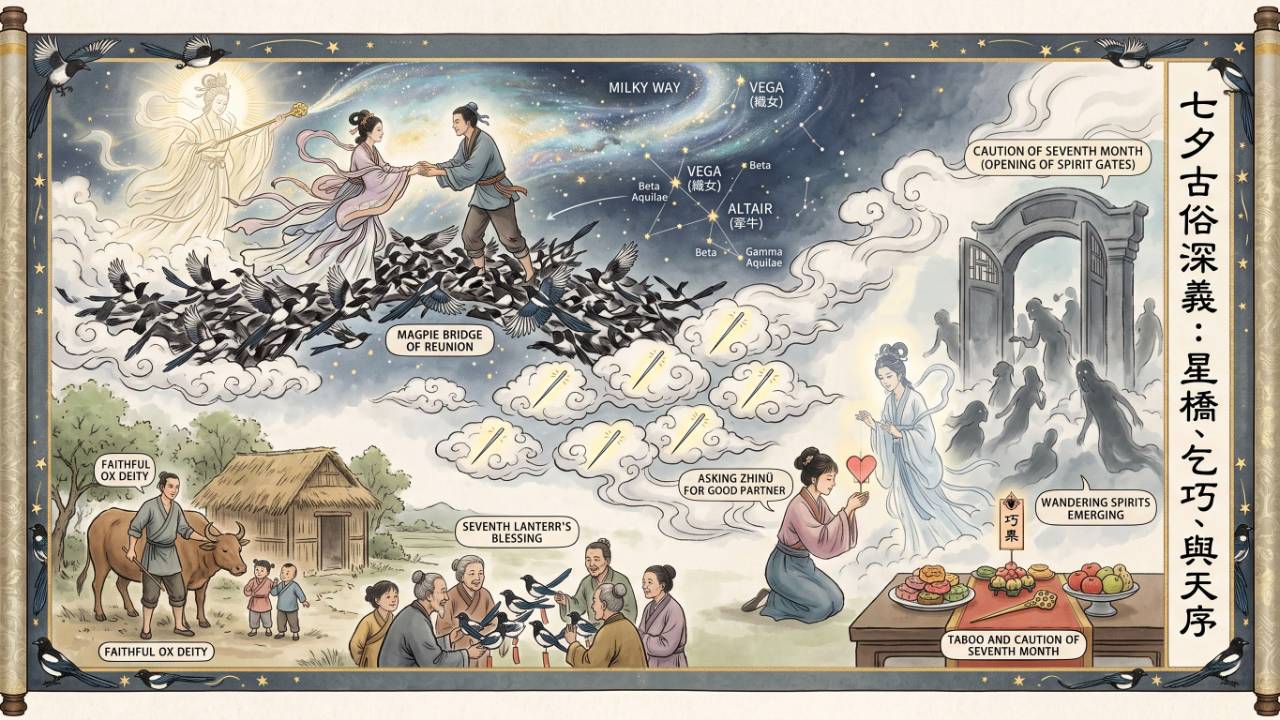
On the 7th day of the 7th month of the Chinese lunar calendar, the Double Sevens Festival (also known as the Qixi Festival) is celebrated. The Qixi Festival is primarily a traditional Chinese folk and astronomical festival rather than an exclusively Taoist holiday. However, because Chinese folklore ...
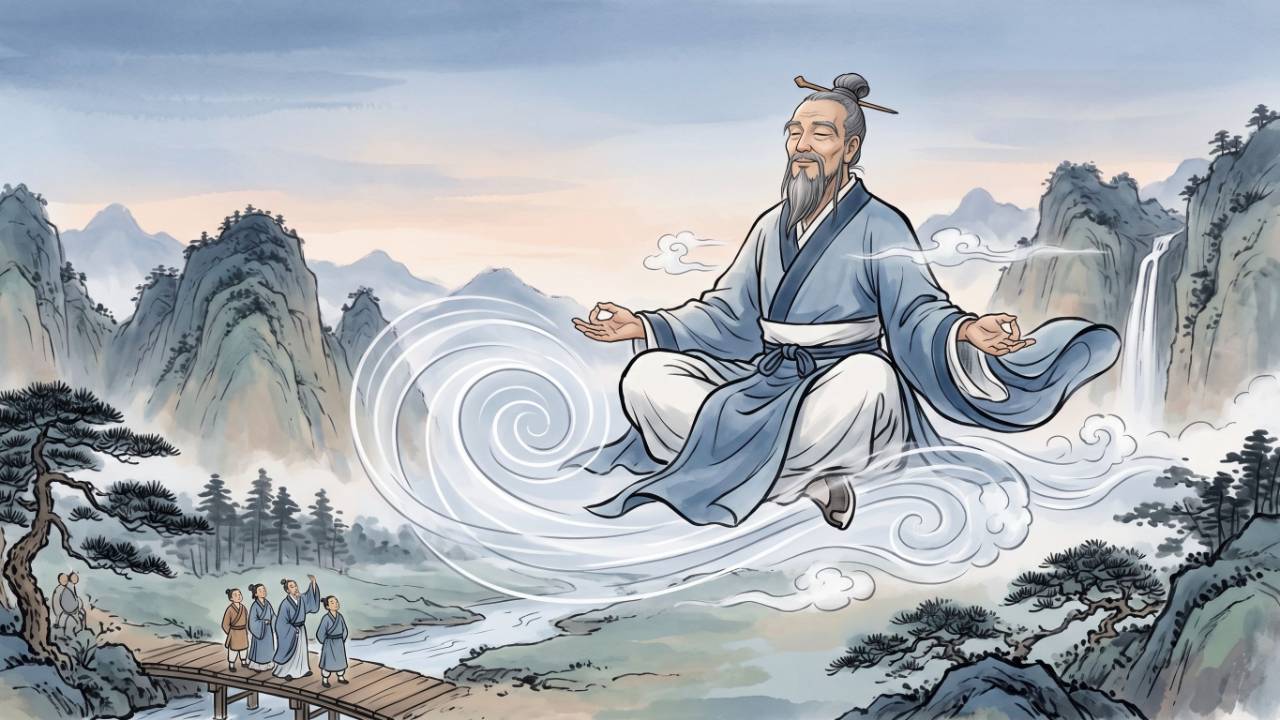
Liezi (or Lie Yukou 列子) is one of the three foundational masters of Taoism, along with Laozi and Zhuangzi. He occupied a unique space in Chinese thought, living during the Warring States/Hundred Schools of Thought period, and serving as a bridge between philosophical Taoism and early esoteric, mysti...
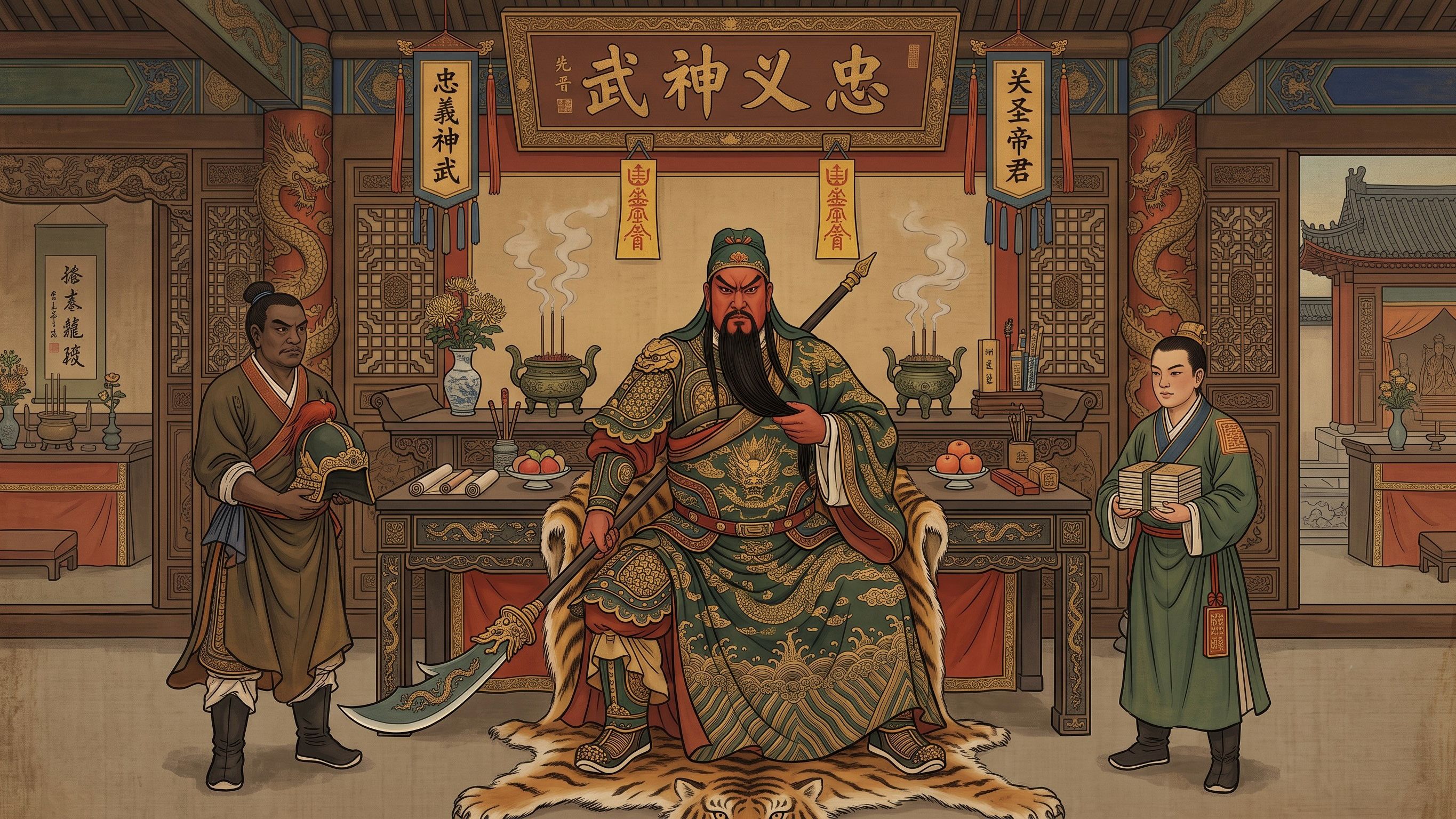
Guan Gong (关公), was originally the Han dynasty general Guan Yu (关羽), and is one of the most fascinating figures in Chinese spiritual history. His journey from a real life military general to a universally revered deity across multiple faiths is incredible. In Taoism, Guan Gong is revered as a powerh...
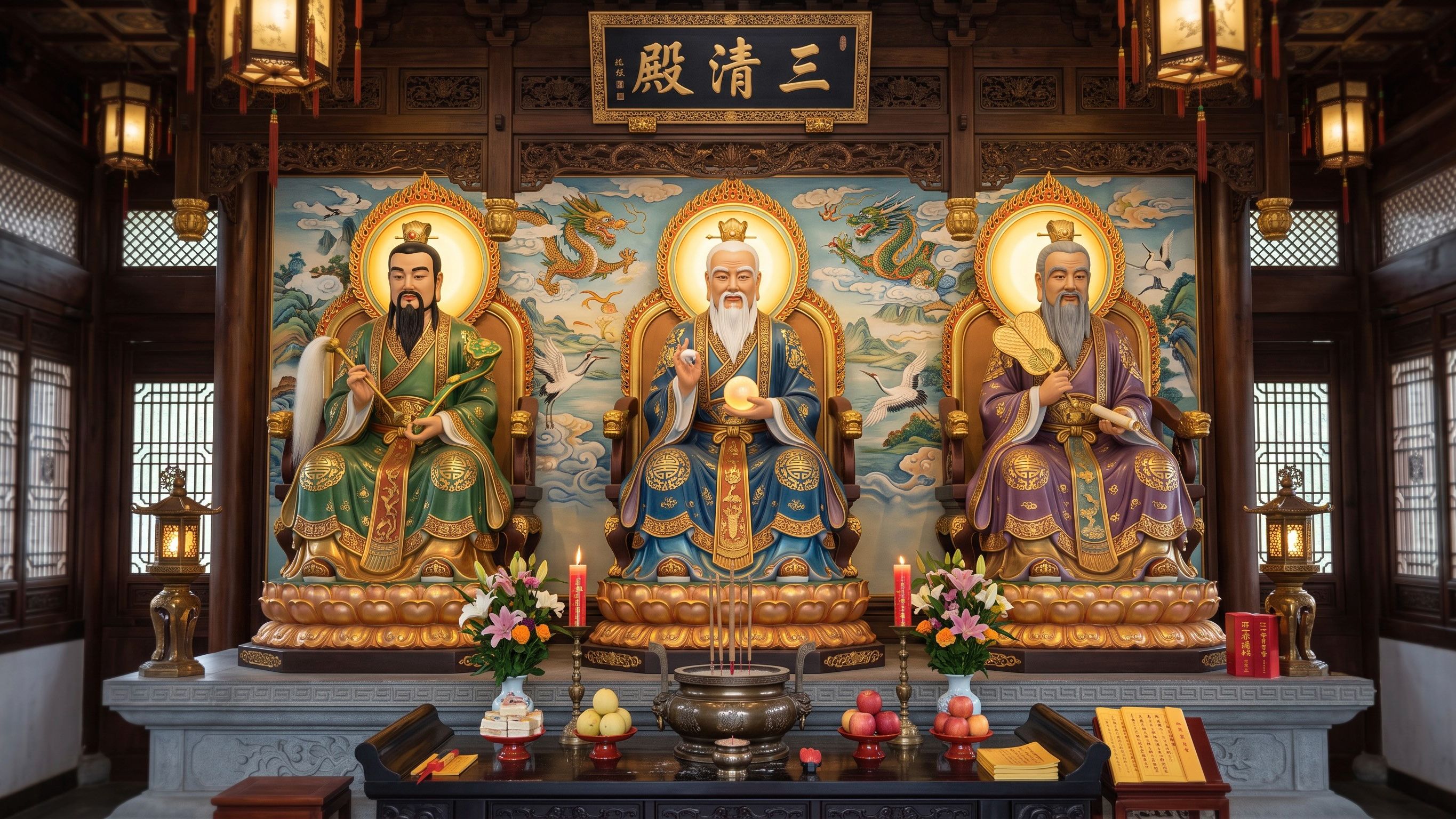
The name “Heavenly Worthy” or “Tian Zun” isn't just one person; it’s actually a grand title used for any of the three deities collectively known as The Three Pure Ones.
The first Pure One is called Jade Pure One, and his formal name is Yuanshi Tianzun, the Heavenly Worthy of Primordial Beginning. H...
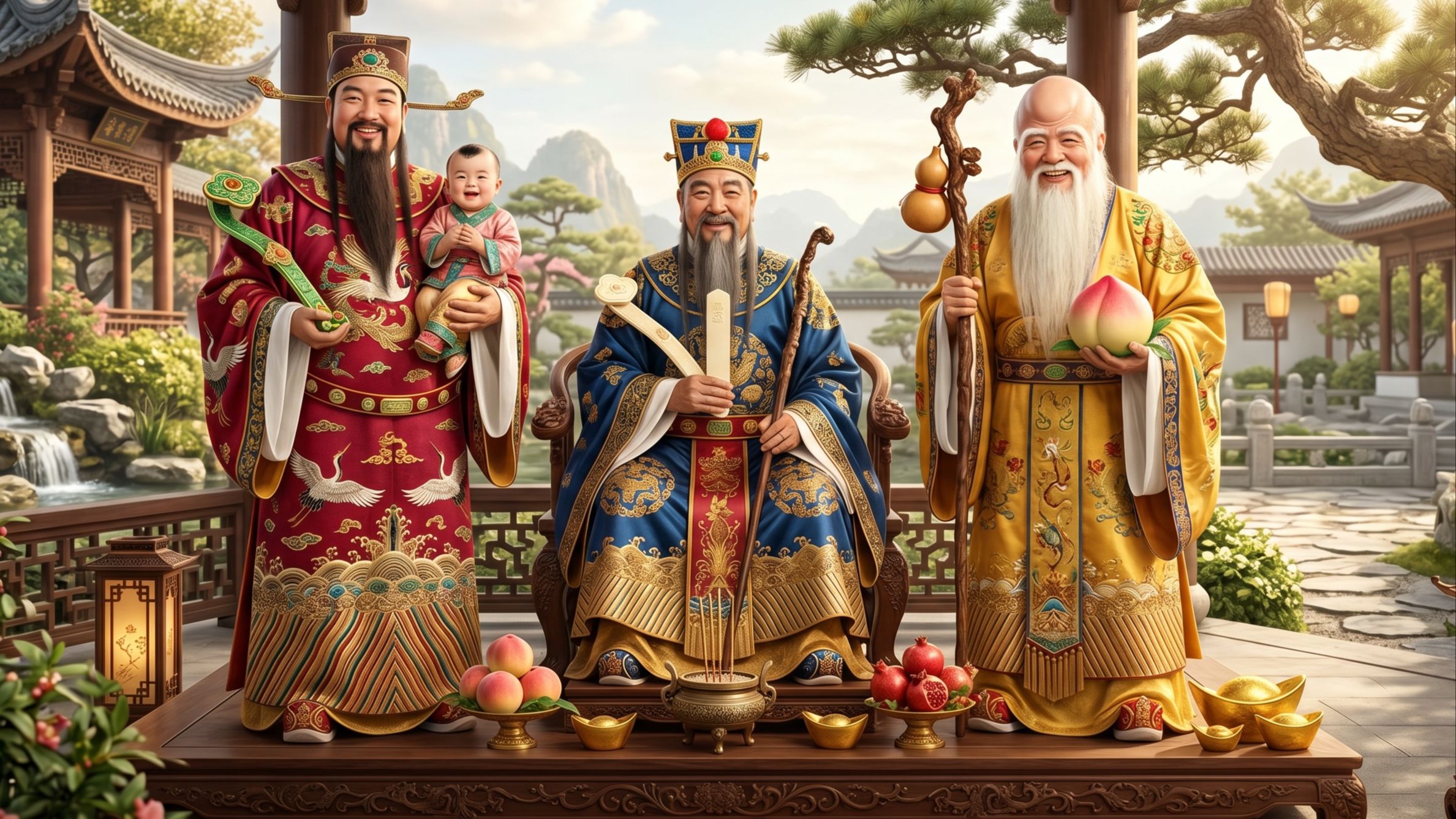
The “Three Star Gods,” Fu, Shou, and Lu, are among the most recognizable figures in popular Chinese religion. Fu represents fortune, blessings, happiness, and good luck, Shou represents prosperity, status, success, official rank, and Lu represents longevity, health, and long life. Although the Three...
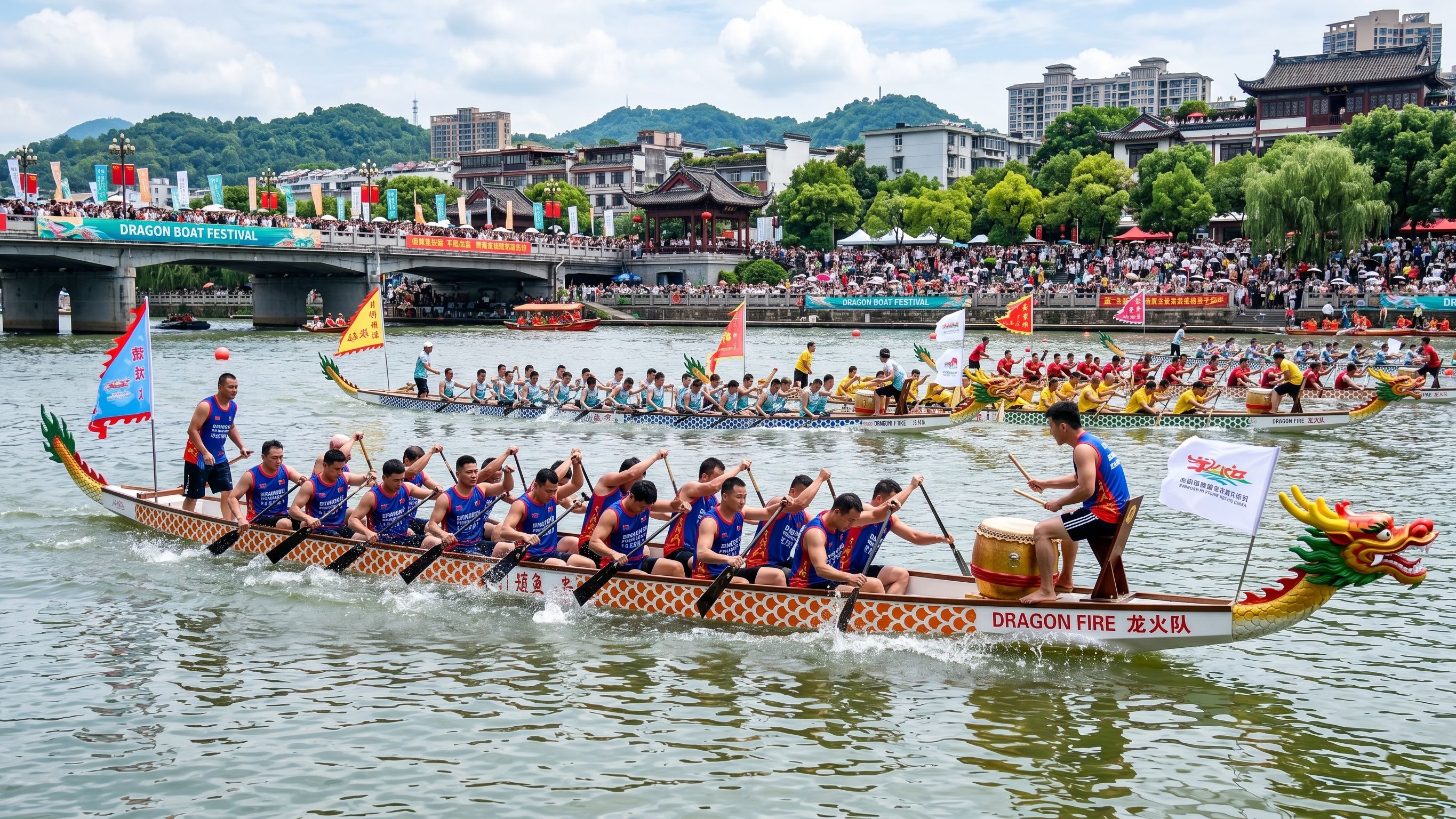
On the fifth day of the fifth lunar month, one of the oldest traditional festivals in China is celebrated. Although the Dragon Boat Festival is most commonly associated with dragon boat races and eating zòngzi (sticky rice dumplings), its origins are complex and appear to predate both organized Taoi...
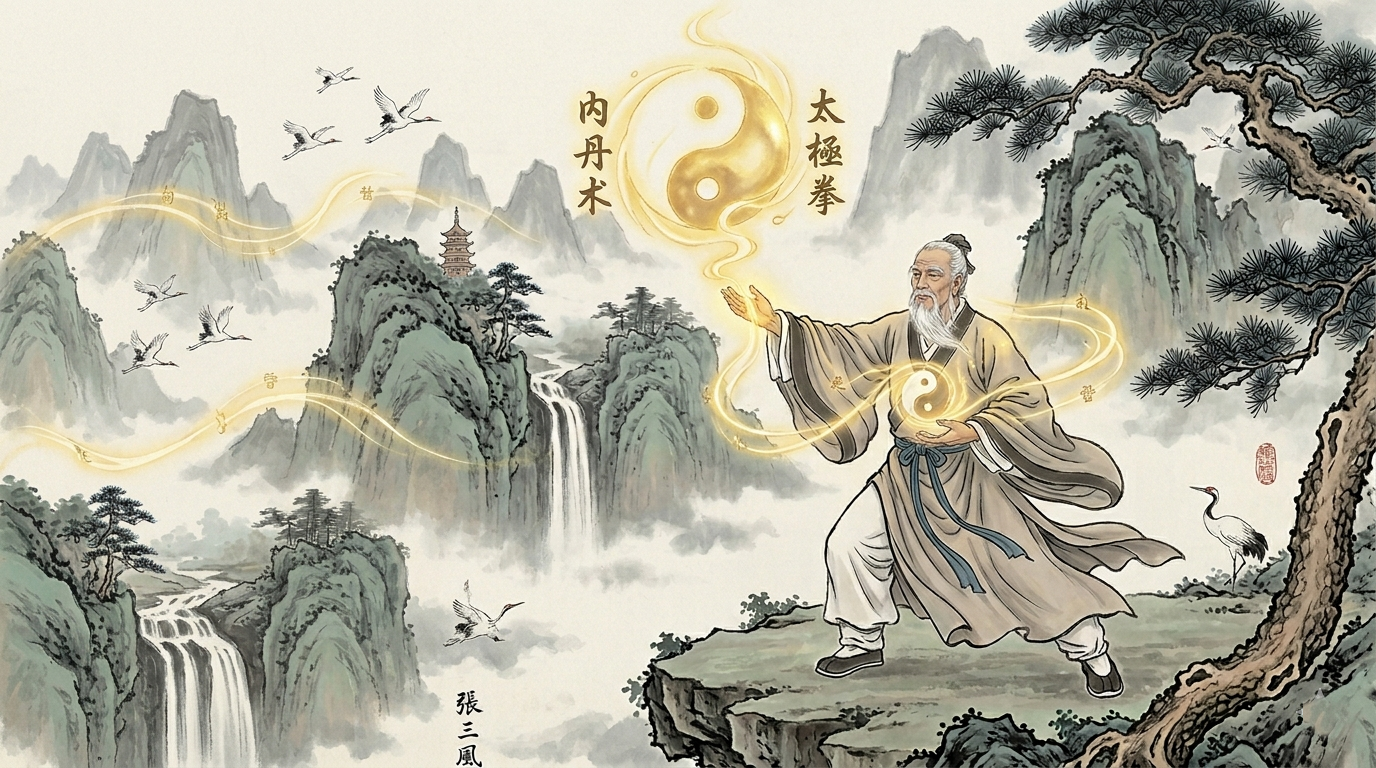
Zhang Sanfeng is one of the most famous and mysterious figures in Taoism and martial culture. He is traditionally depicted as a wandering Taoist immortal, internal alchemist, martial artist, and spiritual teacher. Placed somewhere between the late Yuan dynasty and early Ming dynasty periods, he is p...
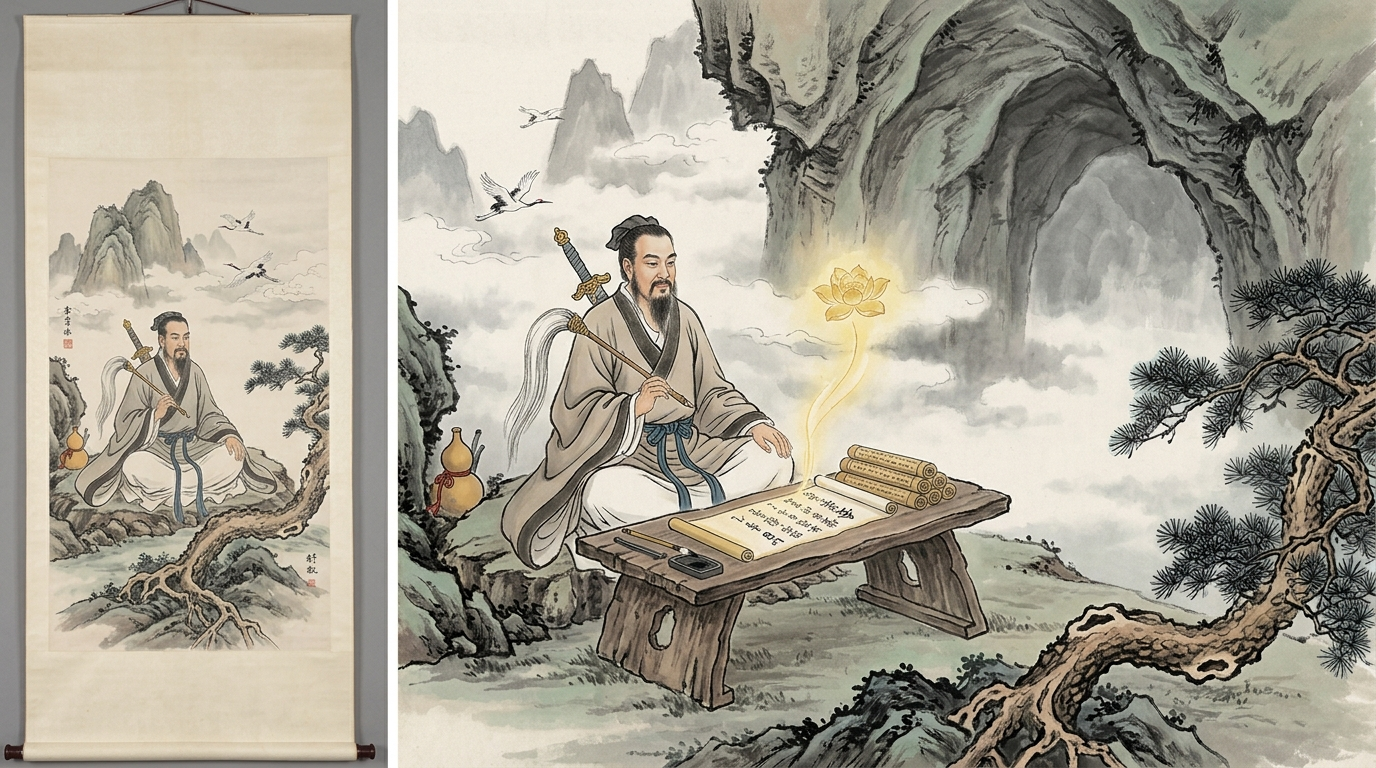
On the 14th day of the 4th moon, which this year will fall on May 30th, Taoist observe the birthday of one of its most famous figures, Lu Dongbin. Lu Dongbin is one of the Eight Immortals, a legendary group of enlightened beings who embody different paths to spiritual realization. He also holds crit...
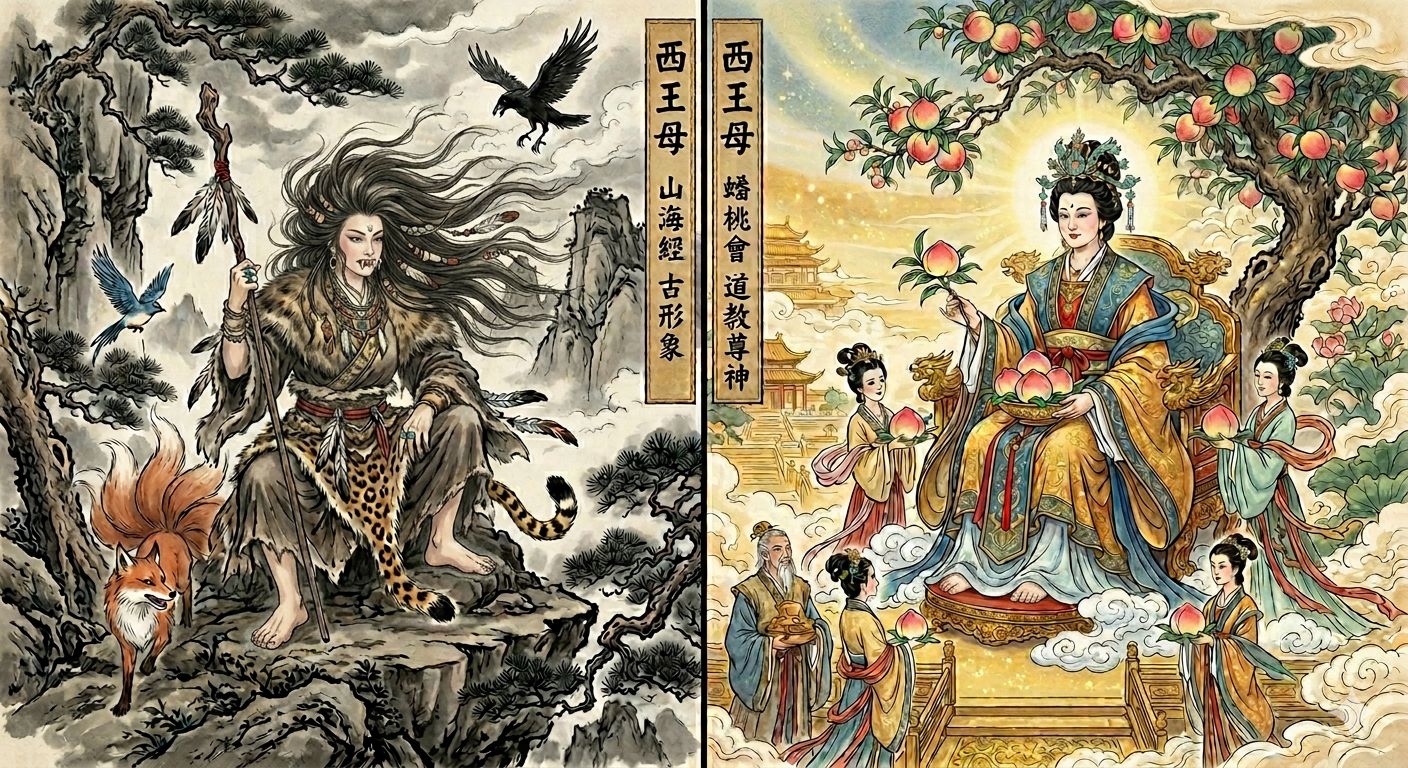
Xi Wangmu (also known as the Queen Mother of the West) is a profoundly important figure in Taoist philosophy and Taoism, and actually predates Lao Tzu and organized Taoism itself. Xi Wangmu is a remnant of an earlier matrilineal society in ancient China. Before the big three teachings (Taoism, Buddh...
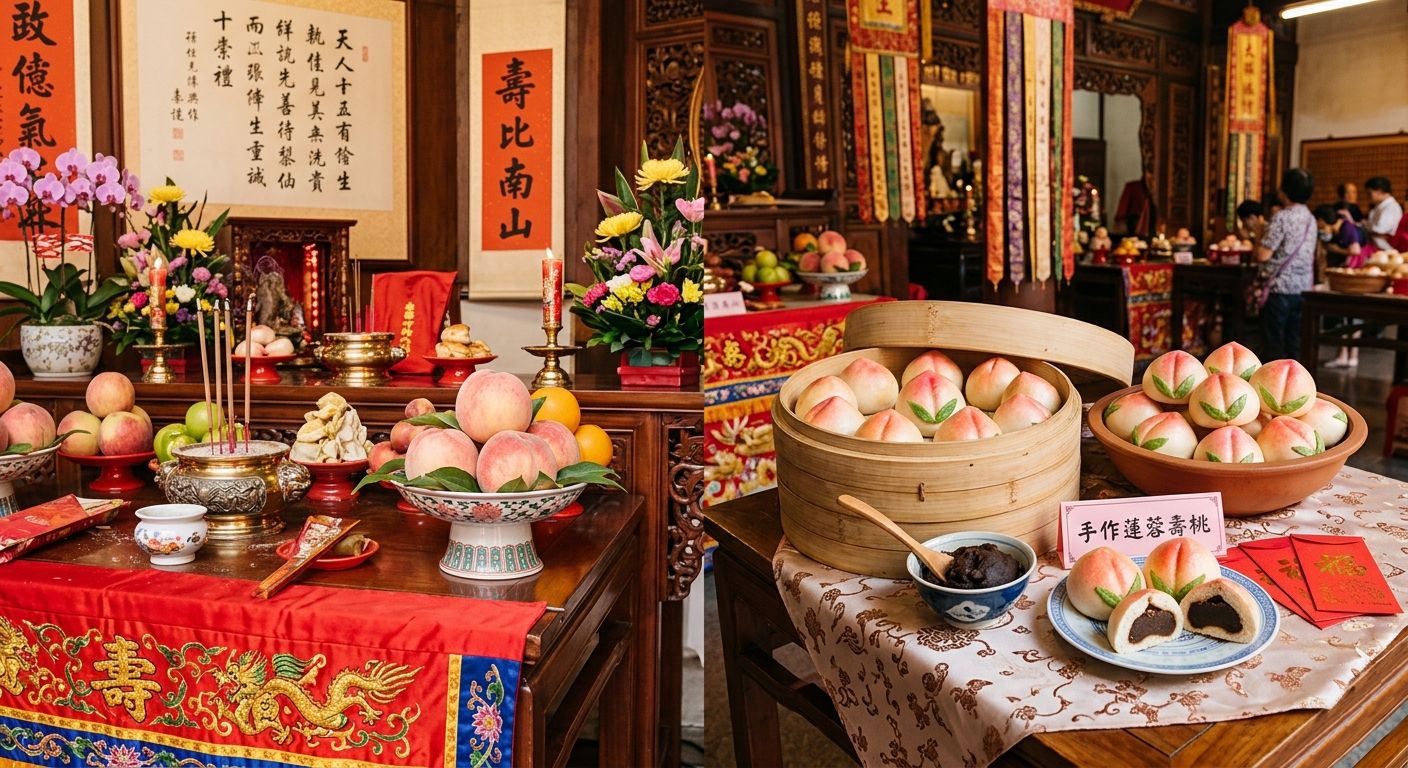
The third day of the third lunar month is the Immortals’ Peach Celebration Day, known as the Pántáo Huí, or Feast of Peaches. Peaches are symbolic of immortality—i.e., the peach of immortality as presented in the legends of the Western Royal Mother (Xi Wang Mu), which became her most famous attribu...
