Blog
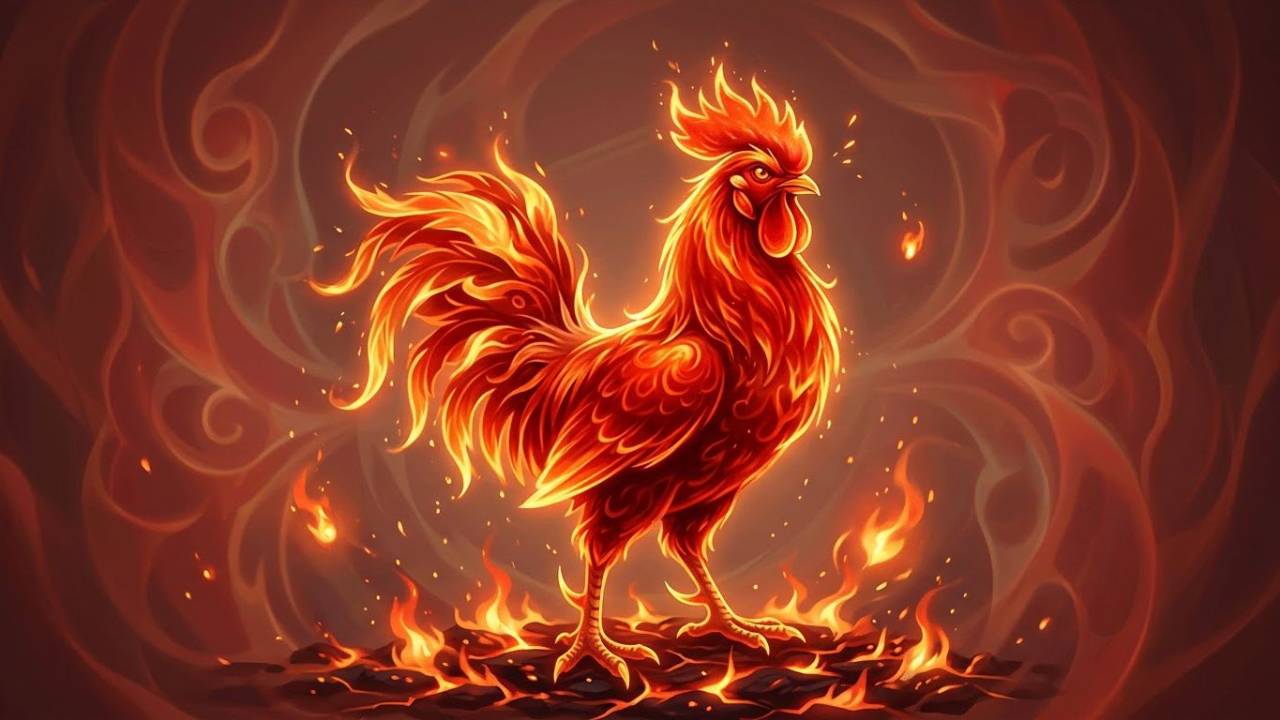
This month we move into the 8th Moon represented by the meticulous Rooster. Precise, discerning, vocal, and proud, the Rooster is fiercely protective of its boundaries and has an eye for aesthetics. All Signs have potential shadow traits, and the Rooster’s are perfectionism, vanity, micromanaging, a...
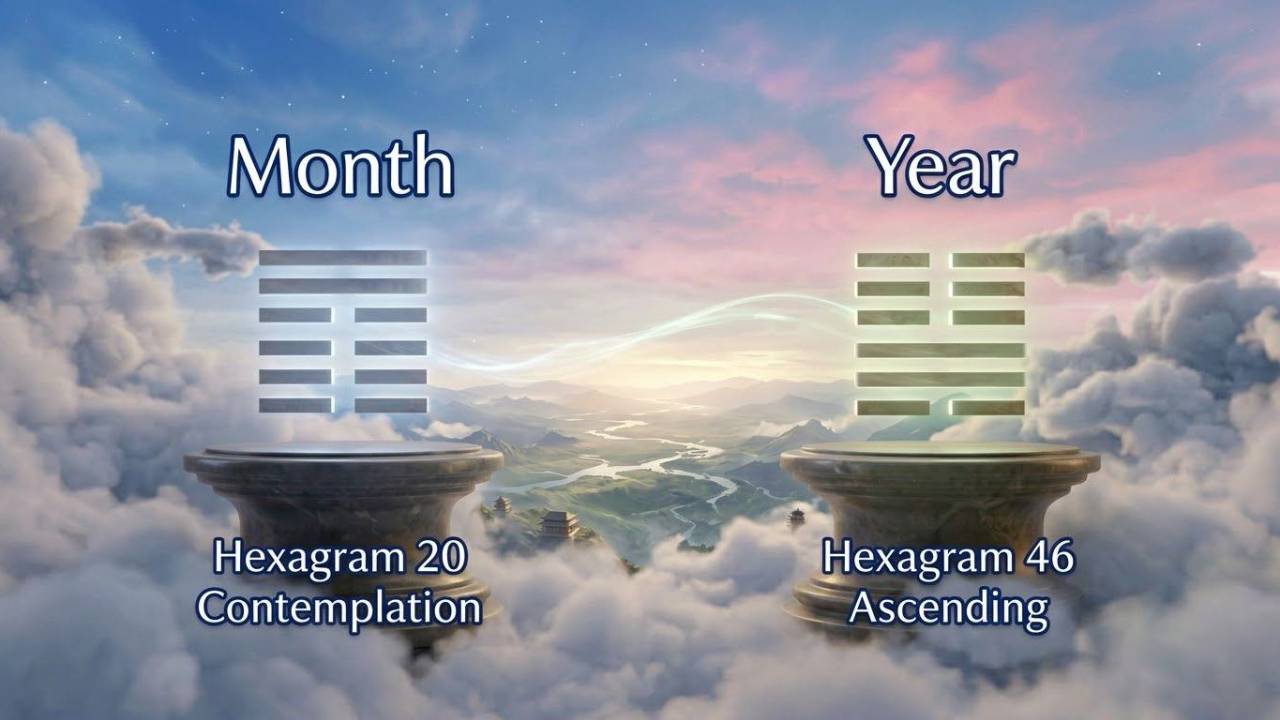
The hexagram of the month is hexagram #20, “Contemplation.” It represents stepping back to gain a higher-altitude perspective. Formed by Wind over Earth, it reflects the position of a tower overlooking the land or a sage observing with complete stillness and awareness. It highlights panoramic vision...
The following is the concluding talk I gave during our Tracing the Wall workshop on August 22, 2026. The workshop has since been developed into Tracing the Wall: The Complete Internal Cultivation Method, now available as a self-study program through the Sanctuary of Tao. I’m sharing the talk here be...
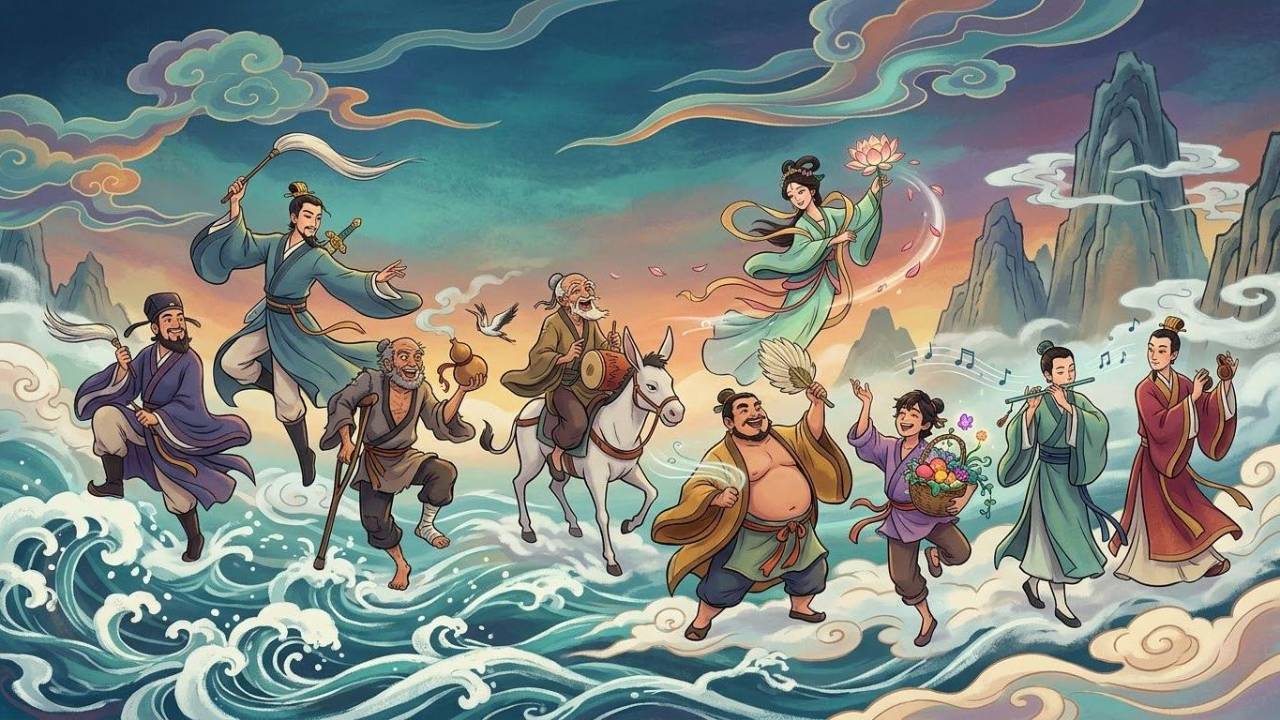
The Eight Immortals are a group of legendary figures in Taoist lore, some of which we know to have been actual, historical people. They were not originally a banded group however. It appears they belonged to different timelines (the ones we know actually existed, at least) long before anyone grouped...
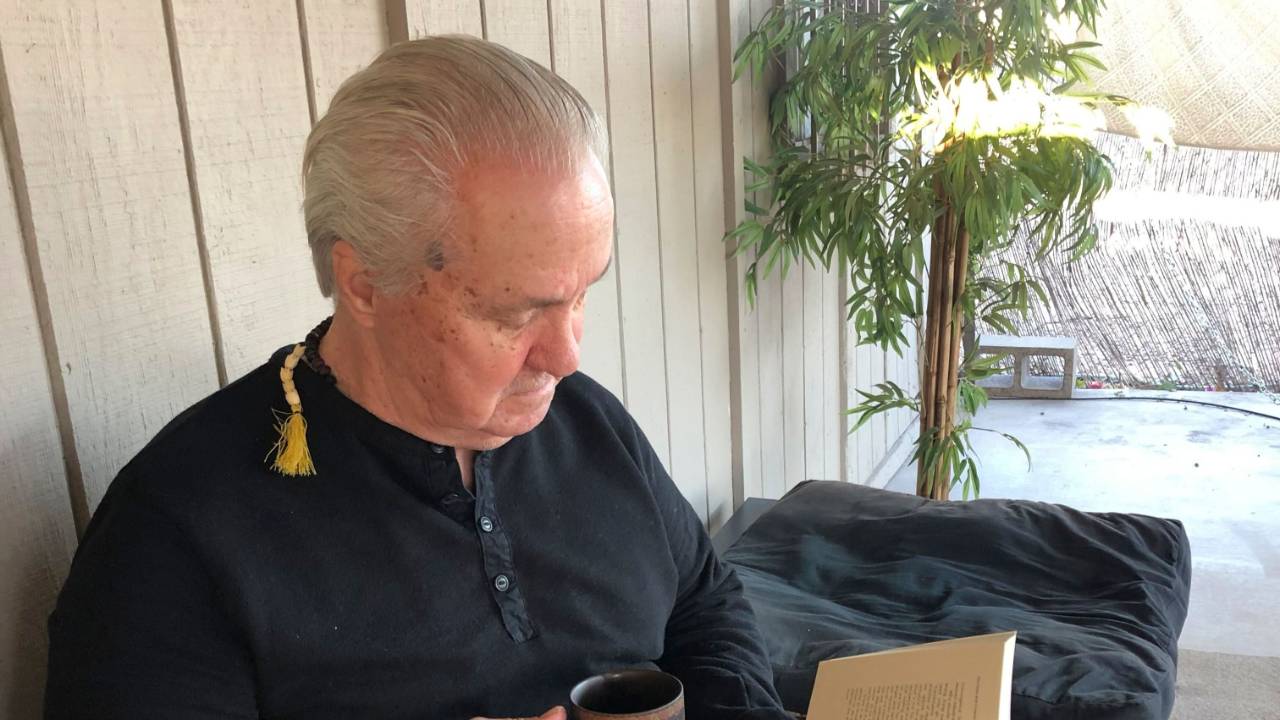
The longtime protégé of Master T.T. Liang, Stuart Alve Olson (1950–2025) was a renowned teacher, translator, co-founder of the Sanctuary of Tao, and author of more than forty books on Taoist philosophy, health, meditation, and the martial and internal arts. He was born on September 22, 1950, in Moor...
Stuart Alve Olson—beloved Taoist teacher, translator, author, and lifelong practitioner—passed peacefully from cancer on August 14, 2025, in Phoenix, Arizona, surrounded by the love and care of his closest students and caretakers, Patrick Gross and Suzanne Nosko. Even through all he endured, his att...
The following is the concluding talk I gave during our Tracing the Wall workshop on August 22, 2026. The workshop has since been developed into Tracing the Wall: The Complete Internal Cultivation Method, now available as a self-study program through the Sanctuary of Tao. I’m sharing the talk here be...
In his fifth talk on The Secret of the Golden Flower, Tim begins by reviewing the central teachings developed through the first four talks before moving into Chapters 11 and 12. The main theme throughout is the gradual movement from deliberately turning the light inward to a more natural, formless a...
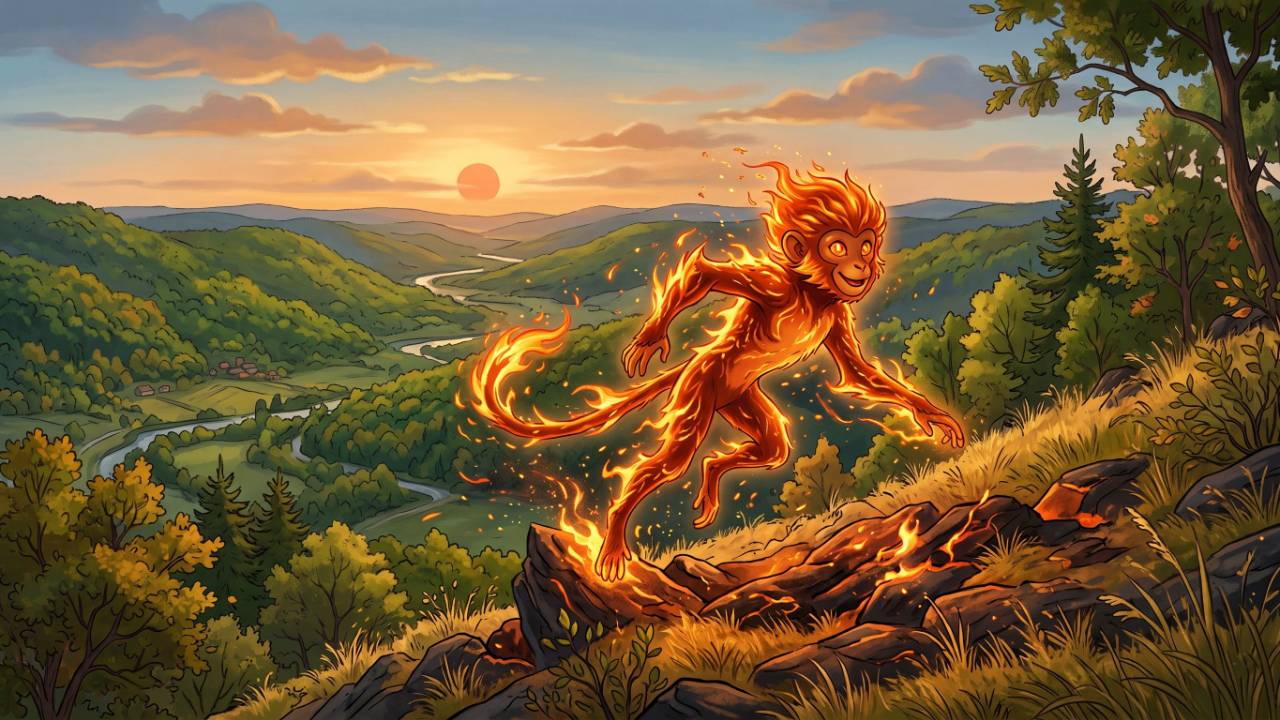
This 7th Moon contains the Chinese Solar Season of “Ending Heat,” signifying that during this Moon, the peak summer energy begins to gradually lower its high intensity.
Swinging in as the ruler of this 7th Moon is the Yang Fire Monkey! Fire Monkeys are generally strategic, know how to leverage, and...
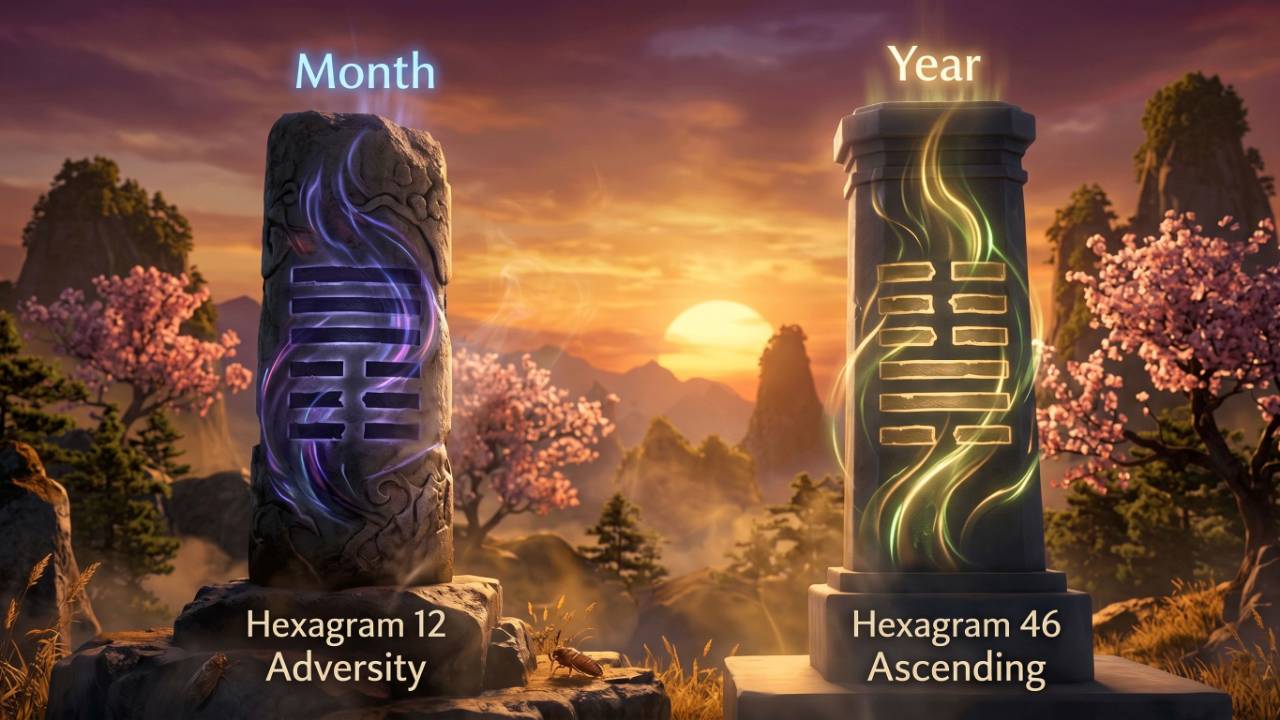
The hexagram for the month is Hexagram #12, Adversity (Pi), which represents standstill, stagnation, and/or obstruction. Its image is Heaven (☰) above Earth (☷), symbolizing disconnect, lack of communion, blockage, and frozen movement. Because Heaven rises upward and Earth sinks downward, their ener...
When Does an Exercise Become a Cultivation Practice?
I’ve been thinking lately about what actually makes something a cultivation practice. We use words like Qigong, Taijiquan, meditation, and Internal Alchemy, and we often assume that because an exercise comes from one of these traditions, it’s aut...
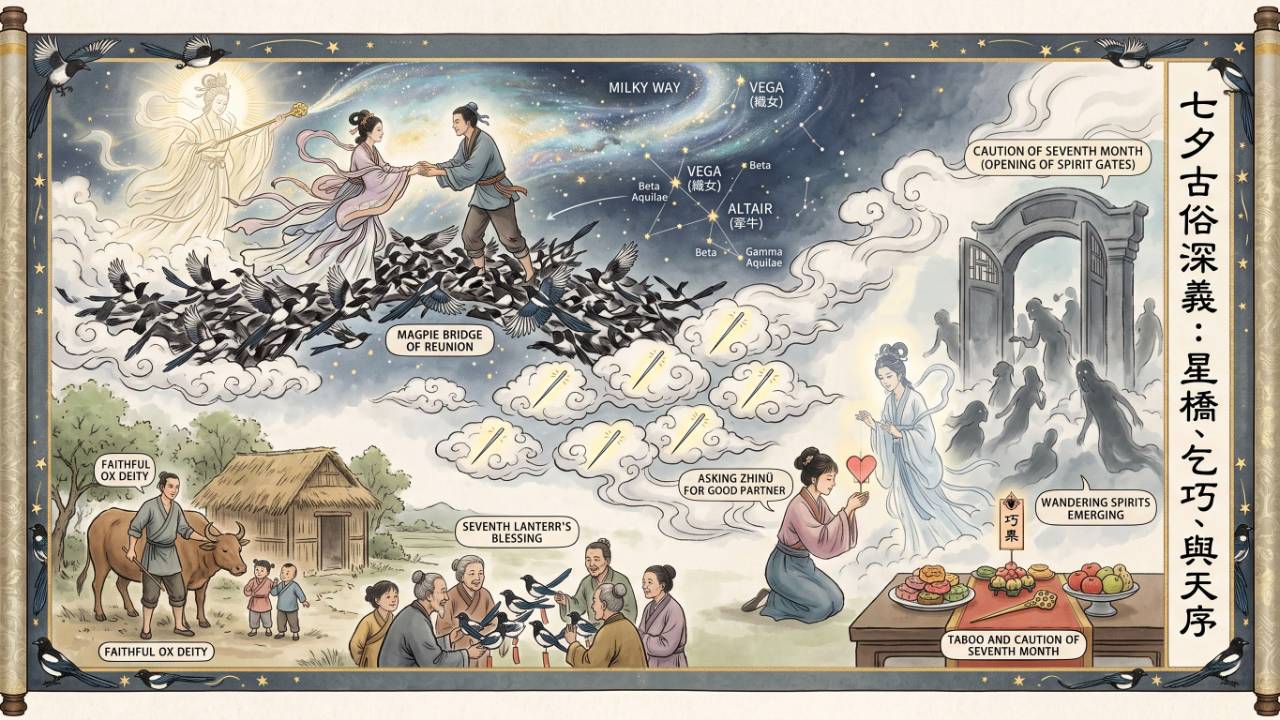
On the 7th day of the 7th month of the Chinese lunar calendar, the Double Sevens Festival (also known as the Qixi Festival) is celebrated. The Qixi Festival is primarily a traditional Chinese folk and astronomical festival rather than an exclusively Taoist holiday. However, because Chinese folklore ...
