Why You Still Have to Push the Boat: Cultivator Series (Part 5)
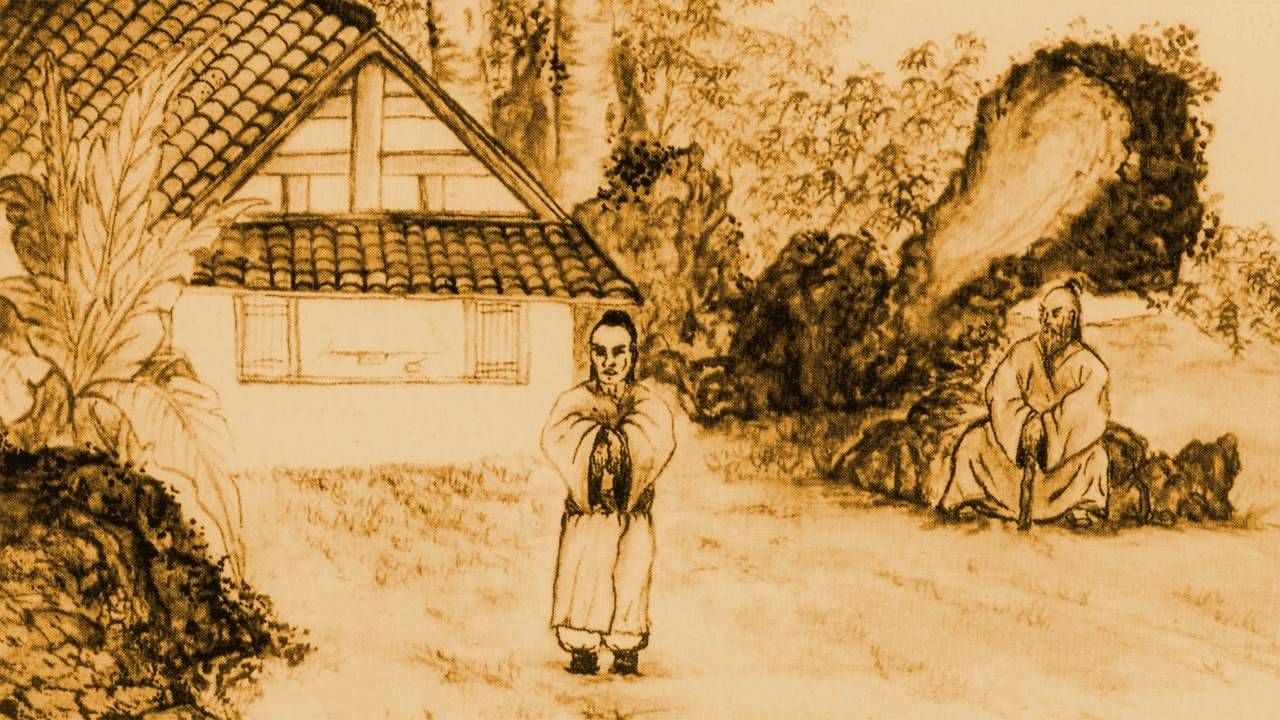
Jan 11, 2026One of the analogies Stuart often used was the idea of pushing the boat so it can drift with the current. This is a common idea in Taoism. The character for Tao (道) shows a person floating in the water, going with the flow of the river. It’s the image of being at ease and not fighting against what’s happening in the world.
This is where many people get confused.
We teach effortlessness, or non-action (無為, wú wéi). We emphasize yin (陰) methods (meditation, qigong, eight brocades, taijiquan, and internal alchemy). And we talk about letting things be naturally just-so (自然, zì rán), rather than trying to make something happen. And then people wonder where discipline fits in. They feel a push and pull between effort and ease, and don’t know which one they’re supposed to be doing.
The problem is that they collapse two phases into one.
When Stuart talked about pushing the boat so it could drift, he was correcting a misunderstanding of wu wei. Non-action does not mean doing nothing. It does not mean being passive, floating aimlessly, or avoiding effort. It means not interfering, such as trying to force a sensation in a qi center, for example, instead of being patient and allowing it to happen naturally.
Most people get stuck in one of two errors. Some people over-effort. They try to force calm, make energy move, control outcomes, or treat cultivation like self-improvement. They keep pushing the boat even after it’s already in the current.
Others misuse the idea of effortlessness. They avoid discipline, consistency, and structure. They say things should “just happen naturally,” but how can the boat drift when it's just sitting on the shore?
Taoist cultivation always assumes effort first. This fits directly with foundational work. Showing up to practice, sitting down, following the qi-center sequence, using breath gently, returning attention again and again, practicing even when it feels boring—this is pushing the boat. Those efforts establish the conditions, remove obstacles, and align the boat with the current. Once the boat’s aligned, trying to “make something happen” can create interference. You avoid this by allowing non-effort to come into play.
At that point, awareness rests naturally in the Lower Cauldron (lower abdomen). The breath regulates itself. Energy settles without force. Emotions calm on their own. The body functions naturally rather than you trying to manage it. Trying to do more at this stage actually slows things down and interferes.
Taoist cultivation emphasizes yin methods because yin energy descends and settles, but yin without yang becomes passive and stagnates. Yang without yin becomes forceful and burns out.
The phrase naturally-just-so means what arises when no tension or force is obstructing it. To use another metaphor, a garden grows naturally, but you still plant seeds, water them, and pull weeds. You can't force the plants to grow, like the story of the farmer who pulled up his sprouts an inch to try to make them grow faster, and woke up to find his crop dead.
Effort is used to establish the conditions for a transformation. If you don't push the boat in the right way, having a consistent practice and returning to the method, you stay stuck on shore. You push the boat just enough to get it into the current so the Tao can take over. Once aligned with the current, if you then push toward some goal or destination that's in your mind, you fight the Tao.
As a Taoist would say, "Use effort to arrive at non-effort." Non-effort is what allows the Tao to take over.
—Patrick
Sign up for our mailing list!
Get monthly newsletters, updates, and Taoist cultivation resources delivered to your inbox.
We will never sell your information.
